Home
News & BlogsWhen Parents Age: Preparing for the Future Care of a Loved One with Disabilities
When Parents Age: Preparing for the Future Care of a Loved One with Disabilities
Written by info@savali.org• June 20, 2026
Ask most parents of a child with a disability what worries them the most, and it’s rarely today. It’s later. Who takes over when they can’t do this anymore? A lot of families sit with that question for years without ever writing down an answer.
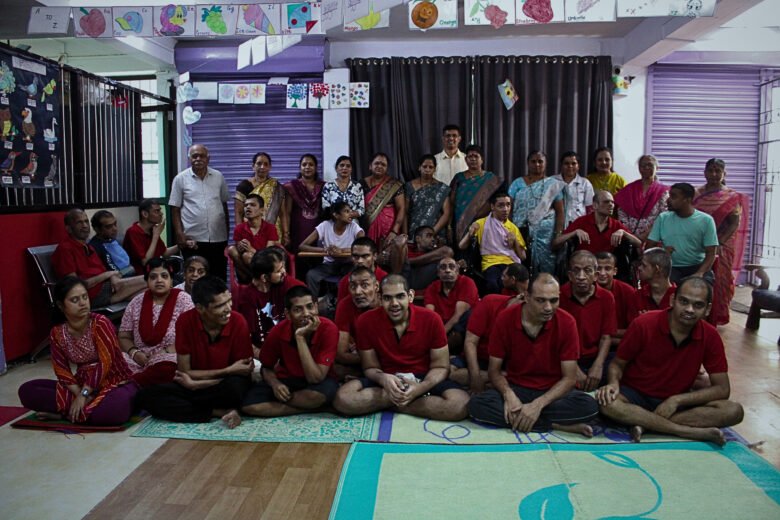
It’s not hard to understand why people put this off. Thinking about it means admitting you’re aging, that you won’t always be around, and that you can’t promise your child everything forever. Nobody wants to sit with that. But the question doesn’t disappear just because you’ve avoided it. It just waits until a health scare or an emergency forces a decision, usually a rushed one, at the worst possible time to be making it.
Families who start early tend to end up with more choices and a lot less panic than families who wait.
What planning for the future actually involves
This isn’t really one decision. It’s a handful of smaller ones that tend to get lumped together.
Where they’ll live. Could be a residential care facility, a supported living arrangement, or a sibling stepping in. The cost, the level of support, and how long it takes to set up all differ depending on which direction a family goes.
Who handles the day-to-day medical and therapy needs. People with intellectual and physical disabilities often rely heavily on consistency. A sudden change in caregiver or routine can throw someone off in a way that takes weeks or months to settle. That alone is a good reason to make any transition gradual rather than sudden.
The legal and financial groundwork. Guardianship, trusts, wills – none of this happens overnight, and most families underestimate how long it actually takes to get right.
Who else might be involved. Siblings and extended family sometimes want to help, but that only works if it’s actually talked about ahead of time instead of assumed.
Starting early changes more than logistics
The real benefit of planning ahead isn’t just practical but it’s what it does emotionally, for the parents and for the person receiving care. If a transition into residential care happens gradually, while parents are still around to help their child settle in, build relationships with new caregivers, and adjust to a new rhythm, it tends to go far better than a transition forced by a crisis.
And for parents, there’s something to be said for simply knowing there’s a plan. Not a hope. An actual plan. That changes how the worry sits, even if the day it’s needed is still years away.
There's no perfect time, but there is a wrong one
No family gets this exactly right, and there’s no ideal age to start the conversation. But waiting until you no longer have the option to plan calmly is about as close to a wrong answer as it gets. If your family hasn’t had this conversation yet, now is as good a time as any, not because something’s gone wrong, but because nothing has, and that’s exactly when it’s easiest to talk about.
This is part of why organizations like Savali offer lifelong residential care in the first place, so that when the transition does happen, it doesn’t have to be sudden, and the consistency a family built for years doesn’t just stop.
Last modified: November 21, 2026